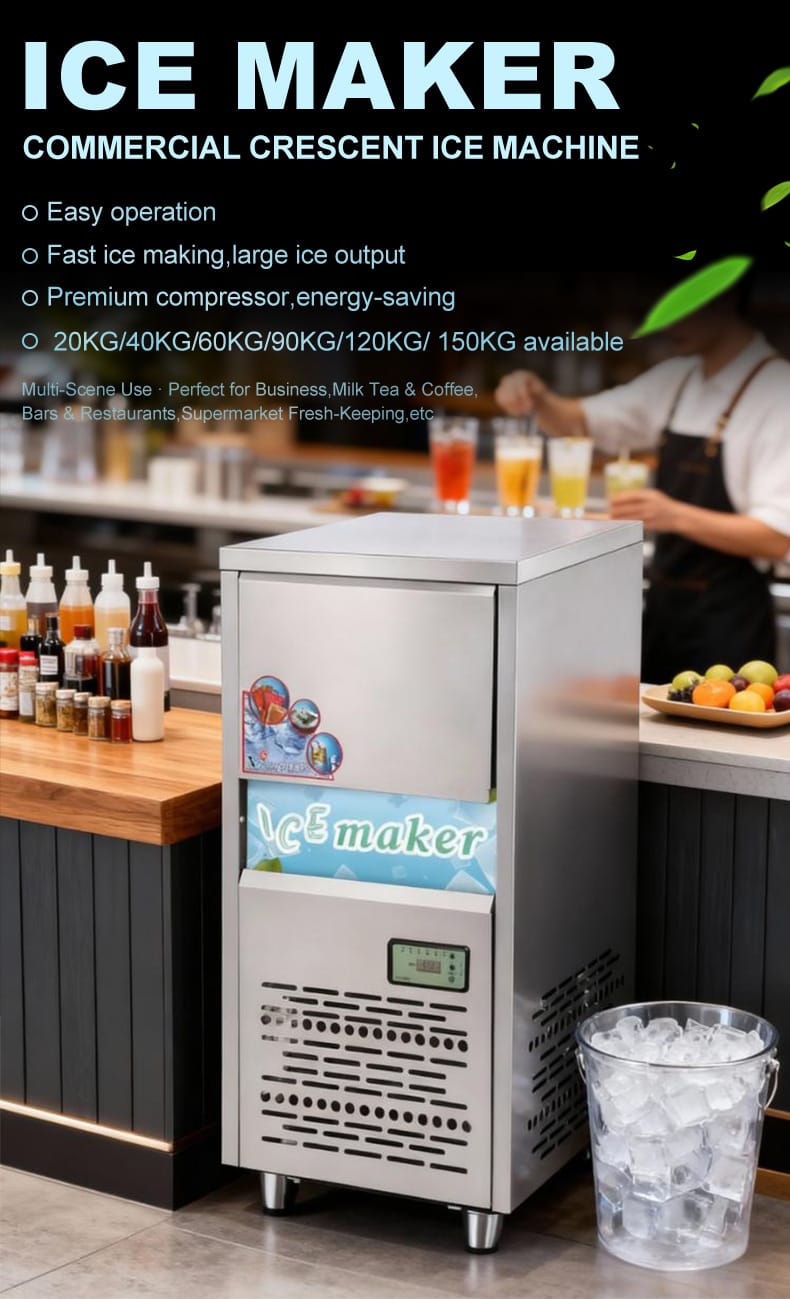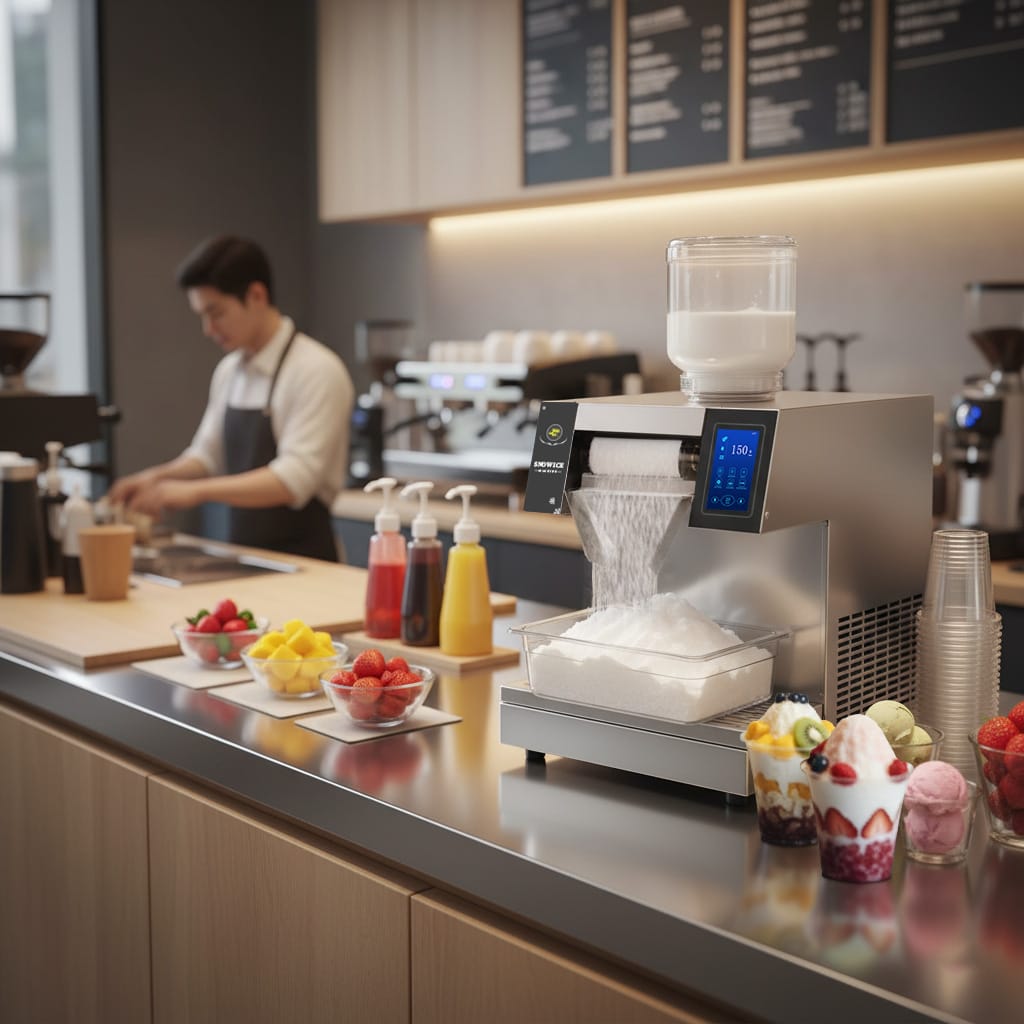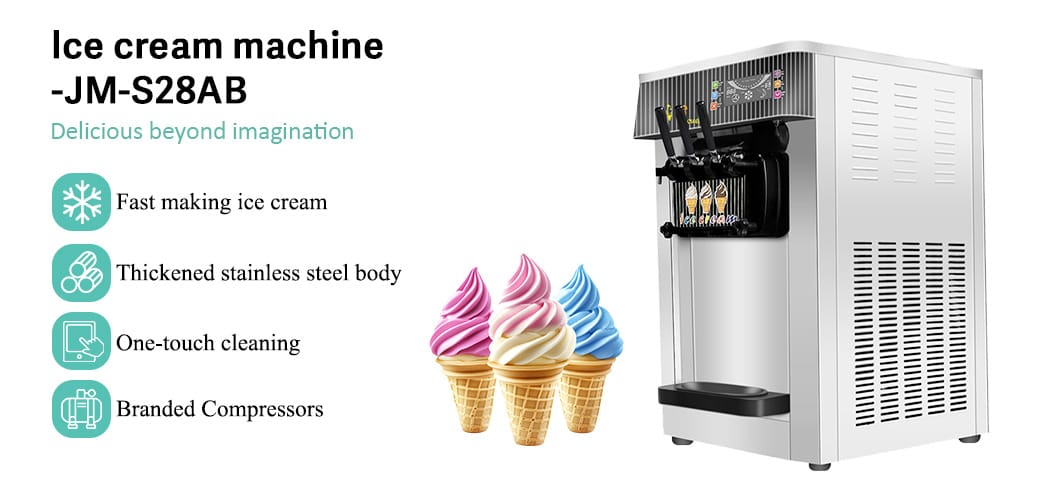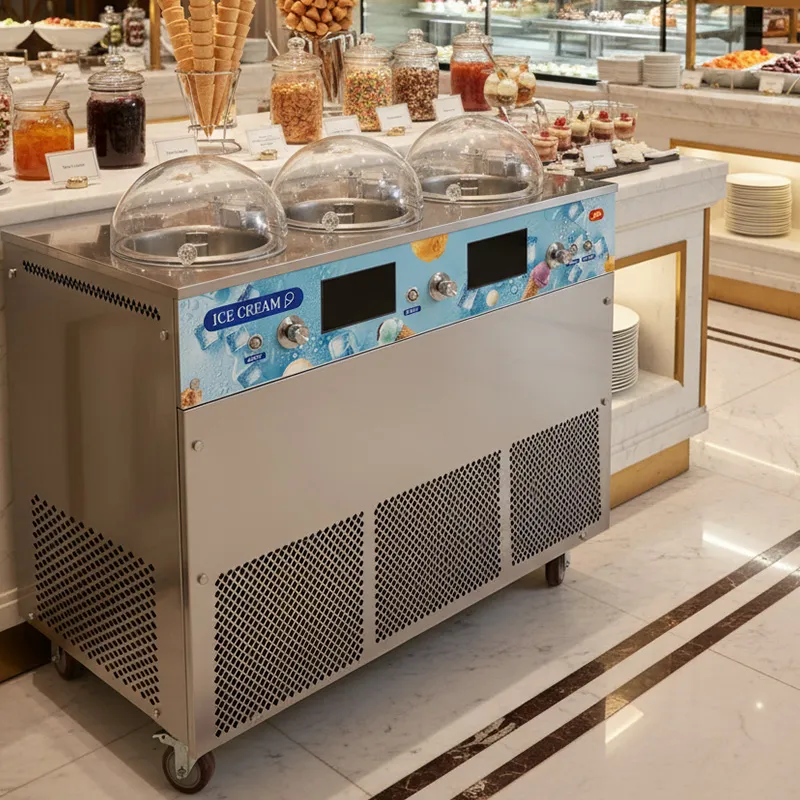
When preparing to open a dessert shop, cafe, or cold drink stall, choosing a commercial snowflake ice machine is a key factor in operational efficiency. Many entrepreneurs face a common dilemma: Should I buy a 1-barrel or a 4-barrel machine?
On the surface, more barrels seem to mean more power and more flavors. However, as an expert in this field, I’ve seen many new sellers fall into the “barrel count” trap. This article will analyze the core differences between 1-barrel and 4-barrel snowflake ice machines, helping you avoid technical pitfalls and make the most stable business decision.
1. Correcting the Myth: 1-Barrel Does Not Equal One Flavor
This is the most common misconception. Many users believe a 1-barrel snowflake ice machine can only produce one flavor, while a 4-barrel machine can produce four simultaneously.
The truth: The barrel is just a container; the flavor is determined by the liquid base.
With a single-barrel snowflake ice machine, you can pre-prepare 5 or even 10 different flavors of ice base (milk, matcha, strawberry, mango, etc.) in food-grade containers. When a customer orders, simply pour the liquid into the inlet, and ice forms in seconds. A quick rinse allows you to switch flavors seamlessly. In fact, a 1-barrel machine offers superior flexibility; you aren’t limited by the machine’s hardware.
2. In-depth Comparison: 1-Barrel vs. 4-Barrels (Business Perspective)
1. Wastage and Spoilage Risk
- 4-Barrel Machine: Having 4 barrels means you need to keep them filled. If matcha sells well but chocolate doesn’t, the chocolate base sits there. Being exposed to ambient temperatures or minimal cooling, stagnant liquid is a breeding ground for bacteria.
- 1-Barrel Machine: Use what you need. Small refrigerated bottles of base liquid ensure maximum freshness.
2. Cleaning and Hygiene
- 4-Barrel Machine: Cleaning at closing time is a nightmare. You must clean 4 lines, 4 valves, and 4 tanks. Incomplete cleaning leads to odors and health safety risks.
- 1-Barrel Machine: Simple structure, short lines. Cleaning takes minutes.
3. Complexity and Maintenance
- Multi-barrel machines have multiple solenoid valves and pumps. In industrial design, more components mean more points of failure. A single clog in a busy summer can lead to high repair costs and downtime
3. The “Convenience” Psychology: Is Fixed Flavor Truly Easier?
We acknowledge that many choose multi-barrel machines for convenience. If you have 4 fixed bestsellers and massive foot traffic (like an amusement park), multi-barrel saves time.
However, markets are dynamic. Seasonal changes and trend shifts (e.g., from coconut to pistachio) require menu flexibility. A 4-barrel fixed setup locks your hardware to your menu. For long-term business, adaptability is more valuable than temporary convenience.
4. Why the 1-Barrel Machine is Better for Long-term Business
In real-world business, the 1-barrel snowflake ice machine is often the “more mature solution.”
- Stability: Single-barrel machines usually feature more stable pressure and consistent ice output.
- Ingredient Efficiency: Nearly zero waste. You won’t struggle with leftover liquid at the end of the day.
- ROI: 1-barrel machines are more affordable. The savings can be reinvested into premium ingredients or marketing, shortening the payback period.
- Space Saving: Their compact size is ideal for high-rent locations where counter space is at a premium.
5. Conclusion: More Barrels Do Not Equal More Output
In summary, the difference between 1-barrel and 4-barrel machines isn’t about capacity, but management logic.
- If you seek simple maintenance, maximum freshness, infinite flavor expansion, and high ROI, the 1-barrel machine is the absolute choice. It allows you to pivot based on market feedback without hardware constraints.
- Only consider a 4-barrel machine for extremely high-traffic scenarios with a 100% fixed menu.
For 90% of cafes and startups, our advice is clear: Start with a single barrel. It is the most reliable partner for your long-term business.
Are you looking for the right model for your shop? We can provide a detailed ROI analysis based on your expected foot traffic and menu design.